News & events
EPSC26 conference (Sep 6, 2026)
The MEOW team will participate in Europlanet Science Congress 2026 in Den Haag. We have a big Mercury session on Monday from 8:30 until 19:30!
Our presentations:
- Grant+: Global Hybrid Modeling of Coherent ~1 Hz Waves at Mercury
- Jarvinen+: Global hybrid modelling of Mercury's plasma environment in light of BepiColombo's first three flybys
Successful separation of BepiColombo's ion drive module! (Sep 3, 2026)
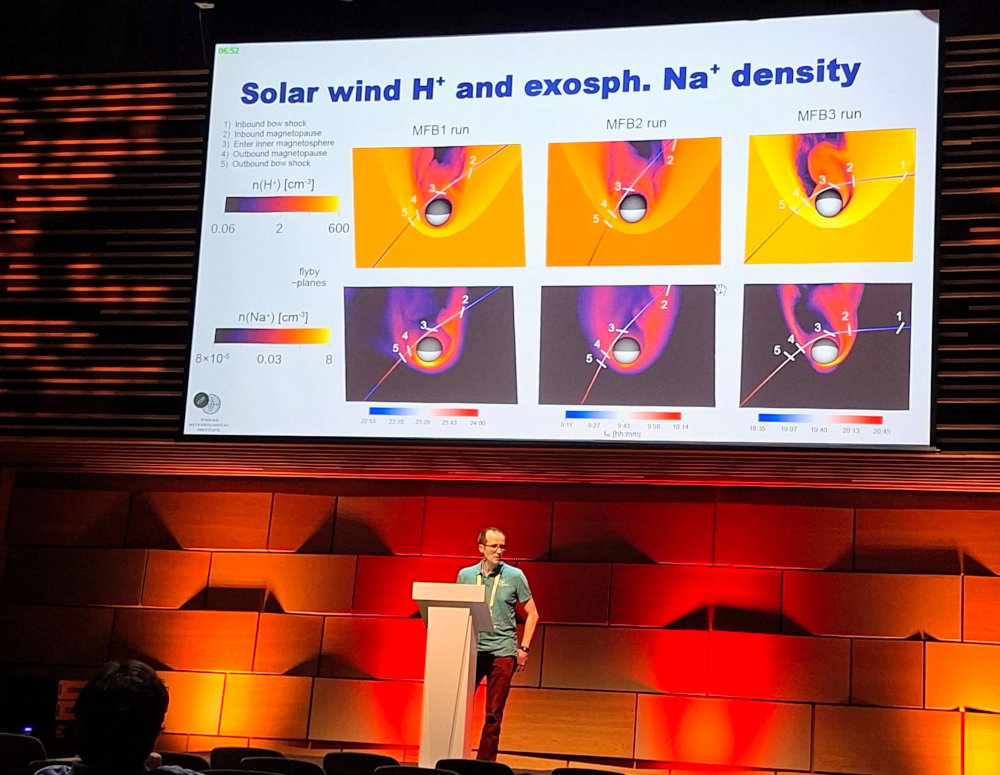
Mercury Transfer Module (MTM) separated from the BepiColombo spacecraft stack on Sep 3, 2026. The approach toward Mercury orbit insertion, scheduled to start on Nov 21, 2026, has begun!
MTM's solar-electric-powered xenon ion propulsion provided about 5 km/s of accumulated delta-v during the 8-year interplanetary cruise. This is one of the largest cruise delta-v propulsion budgets of any interplanetary spacecraft. The nine planetary gravity-assist flybys of Earth, Venus, and Mercury provided several additional km/s to reduce orbital energy at Earth's orbit needed to lower the spacecraft to Mercury's distance from the Sun. The method of using a Venus gravity assist was what Giuseppe "Bepi" Colombo suggested for reaching Mercury. Getting to Mercury is indeed hard!
Mercury 2026 conference (Sep 1, 2026)
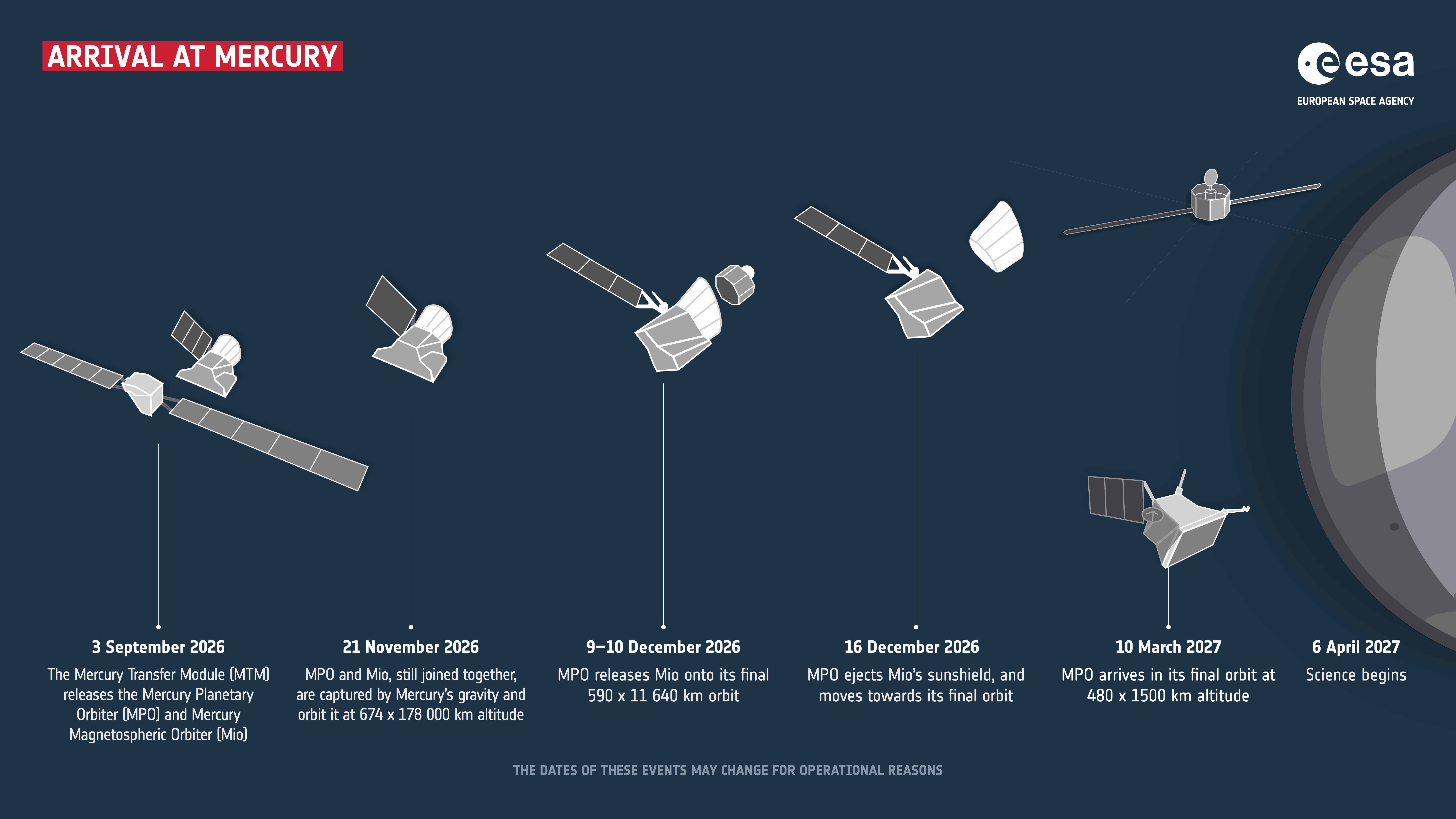
The MEOW team will participate in Mercury 2026 at KU Leuven. A week-long science intensive focused on Mercury together with the wider Hermean community and fellow Bepicolombians!
We will also follow with huge excitement the separation of Mercury Transfer Module separation from the BepiColombo spacecraft on Thursday. All the three modules are still stacked together for the interplanetary cruise. MTM's ion drive has finished providing solar-electric propulsion by shooting xenon ions.
13:45 CEST, Sep 3, 2026: BepiColombo's Mercury arrival begins (Official ESA broadcast)
Our presentations:
- Borg+: Magnetic field connectivity and properties along the first three BepiColombo Mercury flybys in a global hybrid model
- Dubyagin+: Test particle electron dynamics in global hybrid simulations of Mercury's magnetosphere
- Grant+: Kelvin-Helmholtz Instabilities at Mercury in a 3-Dimensional Global Hybrid Simulation
- Honkonen+: Towards fully adaptive global hybrid-particle simulations of Mercury's magnetosphere capturing kinetic and global scales
- Jarvinen+: Mercury's solar wind interaction in a global hybrid simulation for BepiColombo's first three lybys
- Phillips+: Upstream parameter dependence of Mercury's ion foreshock and ultra-low-frequency waves in global hybrid simulations
Asteroid 20656 Samuelgrant (Aug 4, 2026)
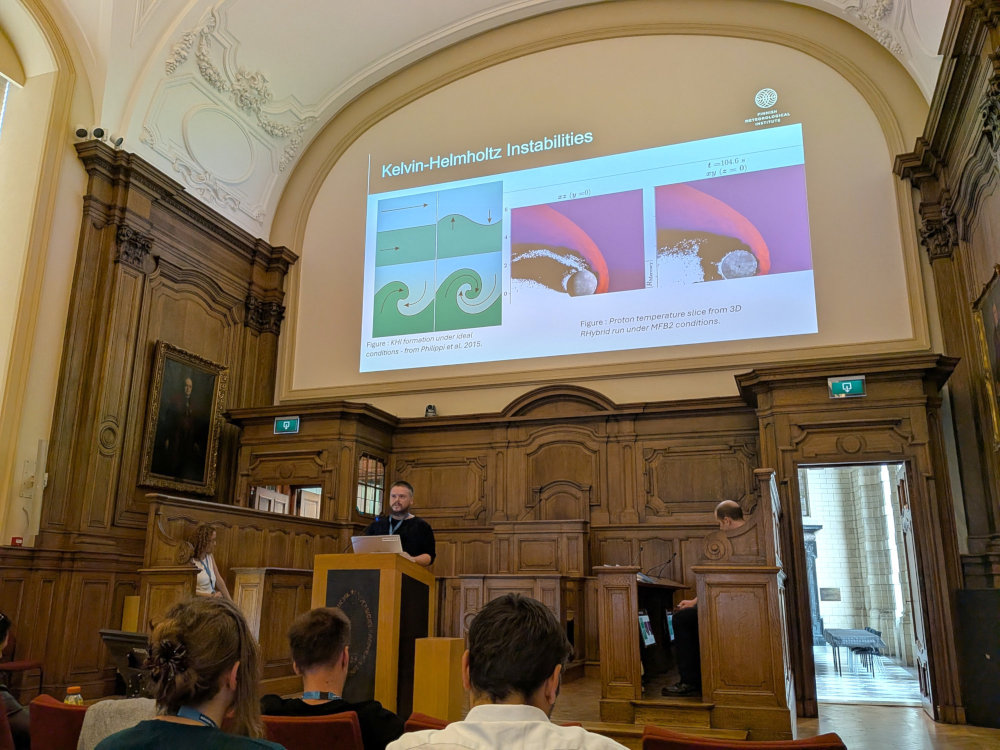
International Astronomical Union (IAU) has named an asteroid after Dr. Samuel Grant! Sam works as a post-doctoral researcher in the MEOW team.
ASTRONUM 2026 (Jun 22, 2026)
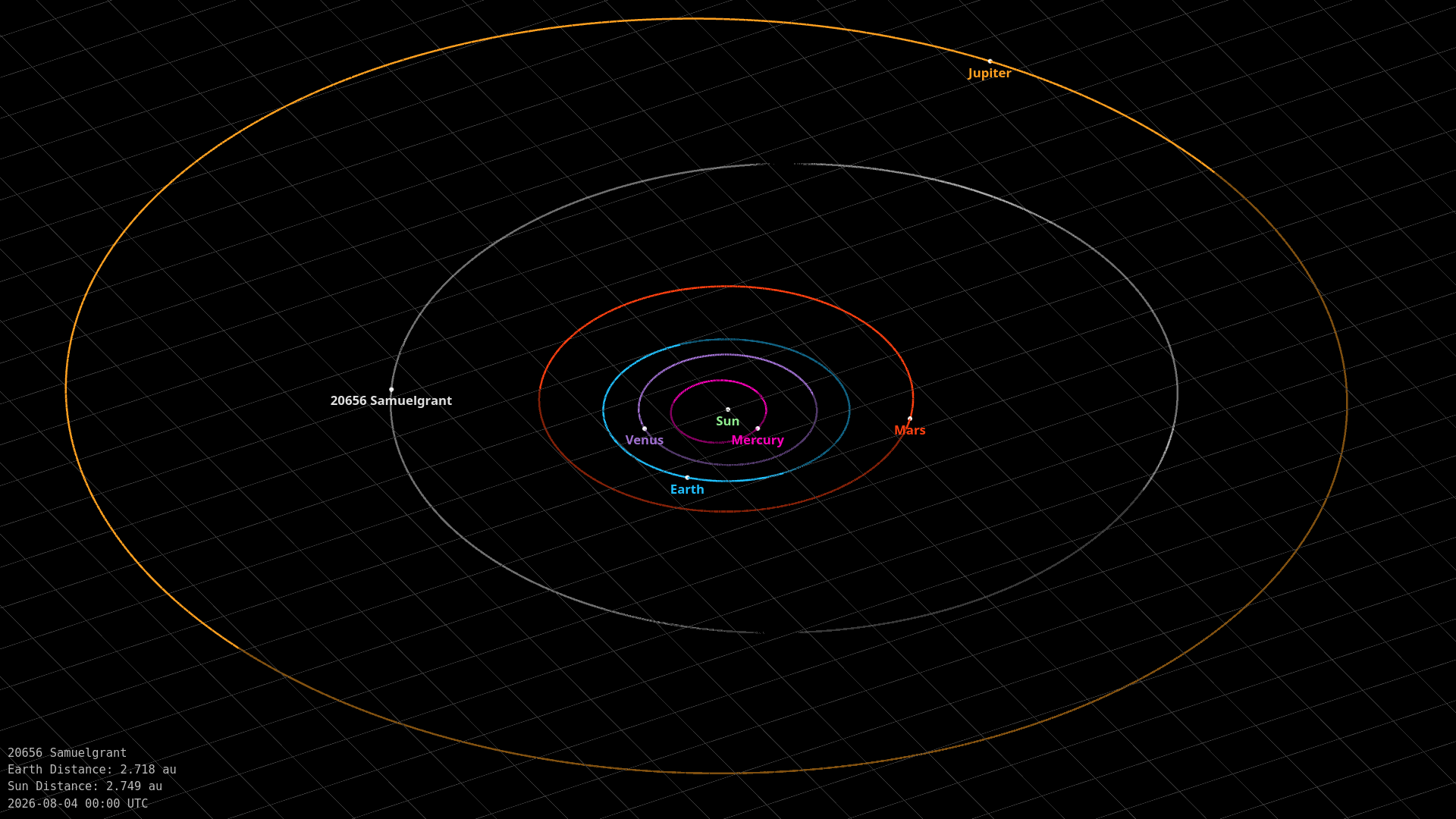
The MEOW team will participate in ASTRONUM 2026 - the 18th International Conference on Numerical Modeling of Space Plasma Flows at Centre de Congrès Cité Mondiale, Bordeaux in June 29 - July 3, 2026. A week of exciting plasma simulation science, numerical methods, and high-performance computing!
Our presentations:
- Honkonen+: Temporal substepping scheme for MHD with cell-based AMR on staggered grid
- Phillips+: Global hybrid modelling of Mercury's ion foreshock and ultra-low frequency waves under different upstream conditions in light of upcoming BepiColombo observations
Mission extension through 2029 (Jun 11, 2026)
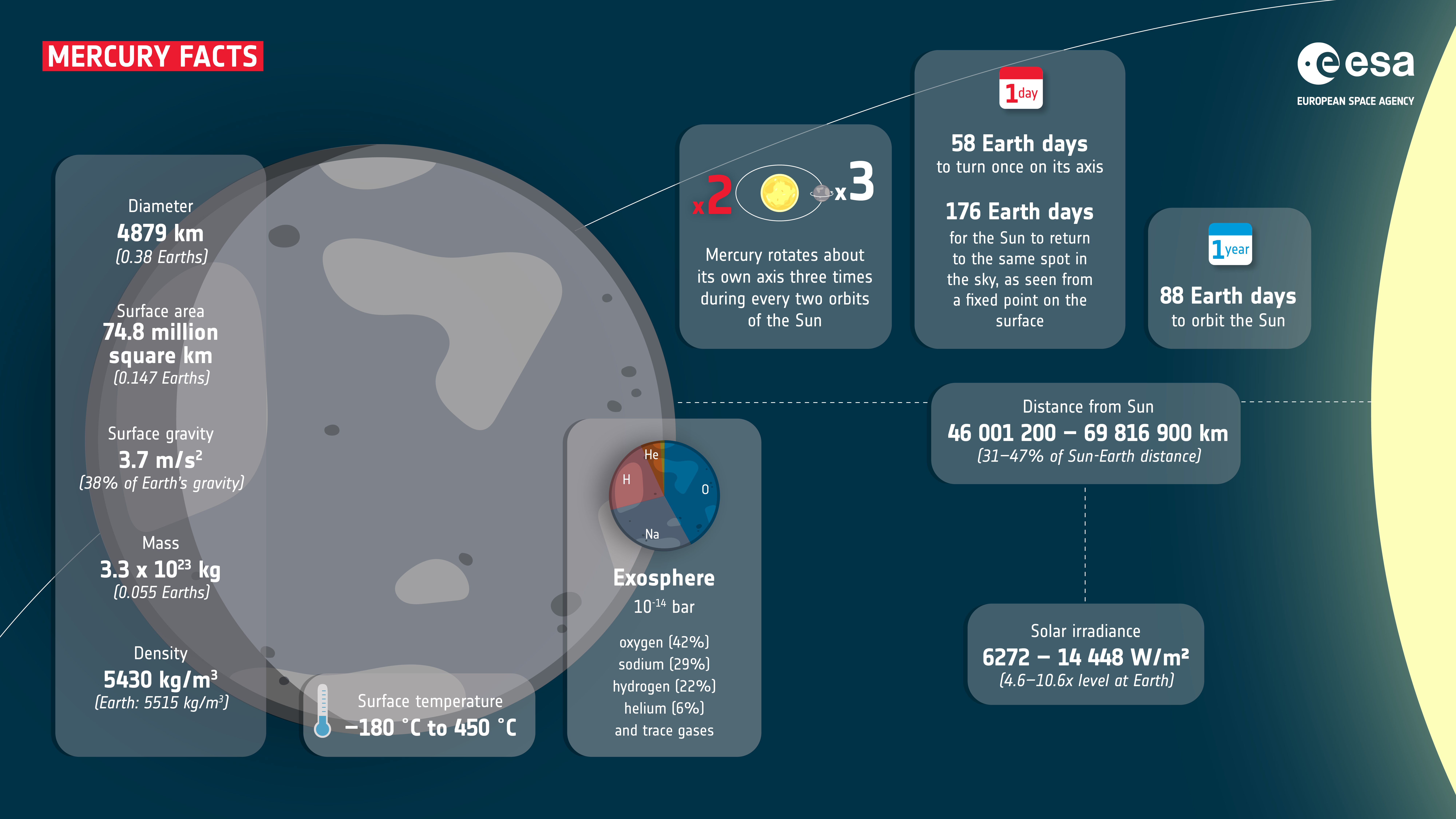
Great news!! BepiColombo's European spacecraft, the Mercury Planetary Orbiter (MPO), will continue exploring Mercury through the end of 2029! This means 18 additional months of exploration of our solar system's enigmatic innermost planet ☿☿
XXXII Geophysics Days (May 28, 2026)
The MEOW team will participate in the 32nd Geophysics Days here at the Finnish Meteorogical Institute. Two days of inspiring science with collegues from the Geophysical Society of Finland!
Our presentations:
- Honkonen+: Adaptive timestep and mesh in a hybrid particle-in-cell model of Mercury's magnetosphere
- Jarvinen+: Studying Mercury's dynamic magnetosphere with global hybrid modelling in the era of the BepiColombo mission
MEOW spring seminar (May 13, 2026)
Spring seminar of the Mercury in the solar wind (MEOW) project. We discuss our modelling studies of Mercury's magnetospheric solar wind interaction, model development, and the status and particle observations on the BepiColombo mission.
Wednesday, May 13, 2026
Finnish Meteorological InstituteDynamicum
Program
- 12:30 Talks
- 14:00 Refreshments and discussion
- 15:00 Closing
Talks
- Riku Järvinen (FMI): Global hybrid modelling of Mercury's magnetosphere ahead of BepiColombo orbit insertion
- Mikko Borg (FMI): Estimation of extreme electron fluxes at geostationary orbit: a statistical approach
- Liam Edwards (Univ. Helsinki): Overview of SIXS-P Observations During BepiColombo's Mercury Flybys
- Samuel Grant (FMI): Investigation of Kelvin-Helmholtz instability at Mercury using the RHybrid model - Implications for BepiColombo observations
- David Phillips (FMI): Mercury's ion foreshock and ultra-low frequency waves under different upstream conditions in a global hybrid model
- Ilja Honkonen (FMI): Adaptive timestep and mesh in a hybrid particle-in-cell model of Mercury's magnetosphere using the AMReX framework
EGU26 is here! (May 3, 2026)
We'll participate in the EGU General Assembly 2026 in Austria Center Vienna. Welcome all to the Mercury session: On the Quest to Solve Mercury's Secrets!
Our presentation:
BepiColombo SWT#26 meeting (Apr 10, 2026)
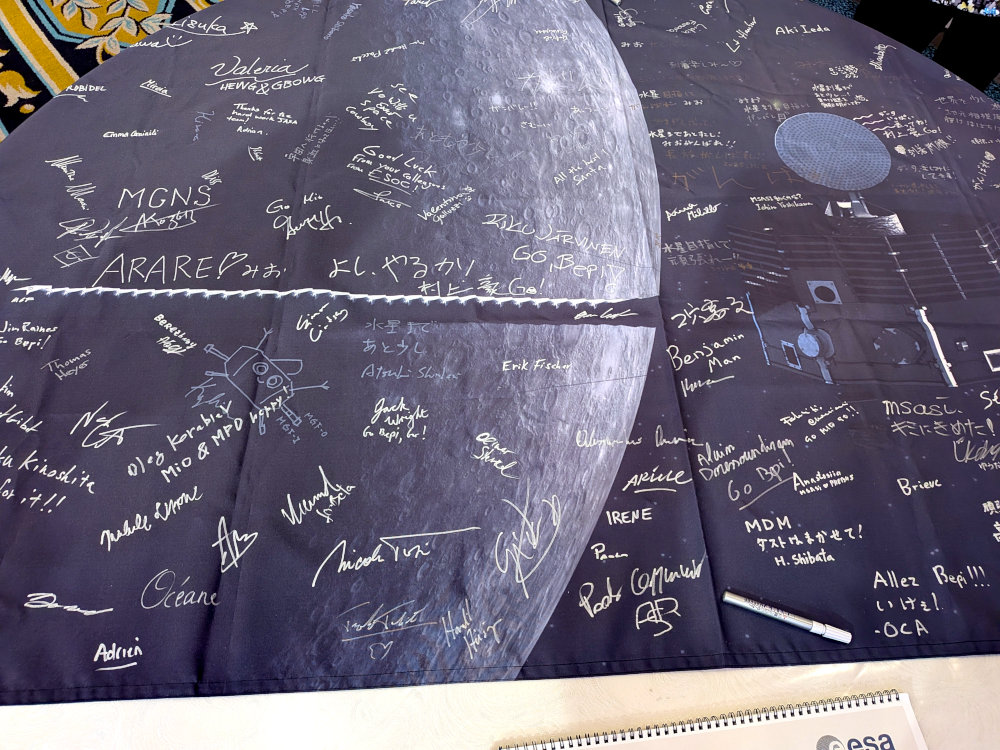
The MEOW project participates and presents our ongoing studies at the 26th Science Working Team meeting of the BepiColombo mission at the Hokkaido University in Sapporo. This will be a week of intense mission-wide collaborations, awesome planetary science as well as planning for the arrival at Mercury in about half a year!
BepiColombo/SERENA team meeting (Mar 17, 2026)
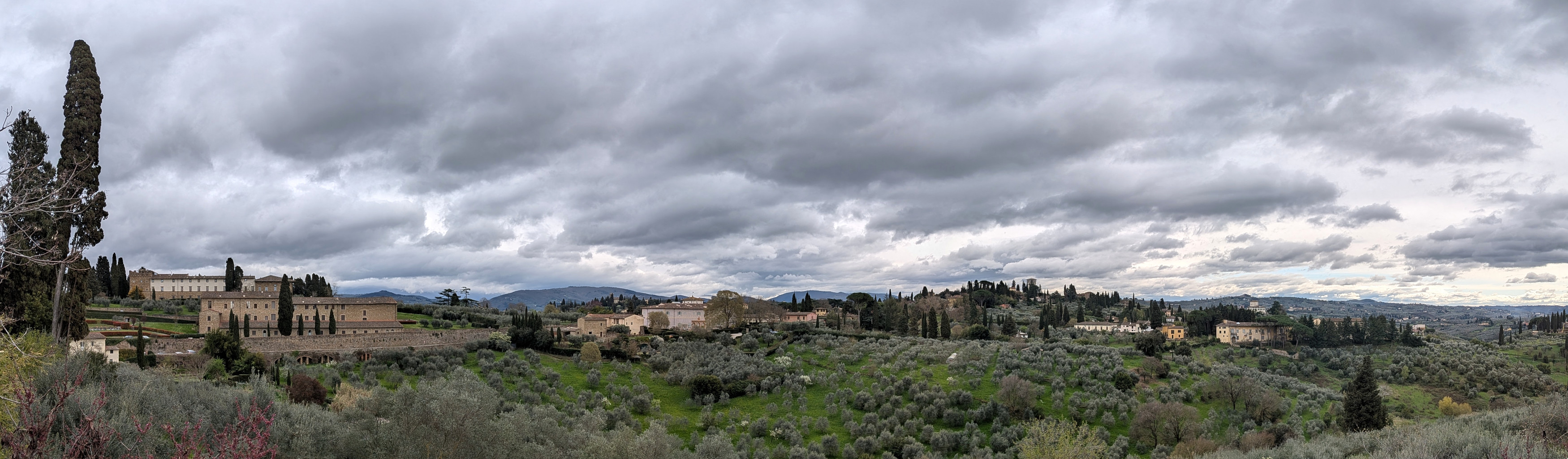
We presented our ongoing global hybrid modelling studies in the MEOW project at the 8th team meeting of the SERENA (Search for Exospheric Refilling and Emitted Natural Abundances) instrument package on BepiColombo. Four days of very stimulating discussions of Mercury's complex, coupled exosphere-magnetosphere environment at the Galileo Galilei Institute for Theoretical Physics in the University of Firenze.
Moa Persson visiting (Feb 16, 2026)
Moa Persson from Uppsala University visits the MEOW team. An exciting week-long science intensive on Mercury's magnetospheric waves in light of MESSENGER observations and global hybrid modelling as well as the upcoming BepiColombo PWI/MEFISTO observations!
iPIC3D meeting (Feb 4, 2026)
MEOW participates in the conference on the full-kinetic iPIC3D particle plasma model at KU Leuven, Belgium.
Modelling Astrophysical Plasmas with iPIC3D: First Conference on Implicit PIC Simulations and Beyond
(call closed) We are reqruiting: PhD position (Dec 1, 2025)
Doctoral researcher (PhD student) position in our team to study Mercury's space plasma physics and/or to develop high-perfomance computing methods (call closed).
BepiColombo/SIXS in Finland seminar (Nov 25, 2025)
Seminar on the history, designing, building, current status and science of BepiColombo's Finnish-lead Solar Intensity X-ray and particle Spectrometer (SIXS) instrument.
Program
Finnish Meteorological InstituteDynamicum
- 15:00 - 15:30: Coffee
- 15:30 - 17:00: Talks
- 17:00 - Refreshments and informal discussions
Talks
- Emilia Kilpua (University of Helsinki): BepiColombo mission status & next steps
- Juhani Huovelin (Isaware): History of SIXS
- Rami Vainio (University of Turku): How did SIXS become also a particle instrument?
- Maria Genzer (Finnish Meteorological Institute): A project manager's view
- Jussi Lehti (ASTRO): SIXS-P Development at ASRO
- Hans Andersson (Oxford Instruments Technologies Oy): SIXS Sensor Unit Design and AIT
- Liam Edwards (University of Helsinki): SIXS energetic particle observations during BepiColombo's flybys
- Karri Muinonen (University of Helsinki): Mercury Imaging X-ray Spectrometer MIXS
- Riku Järvinen (Finnish Meteorological Institute): Mercury's space weather and modeling
BepiColombo SWT #25 (Oct 27, 2025)
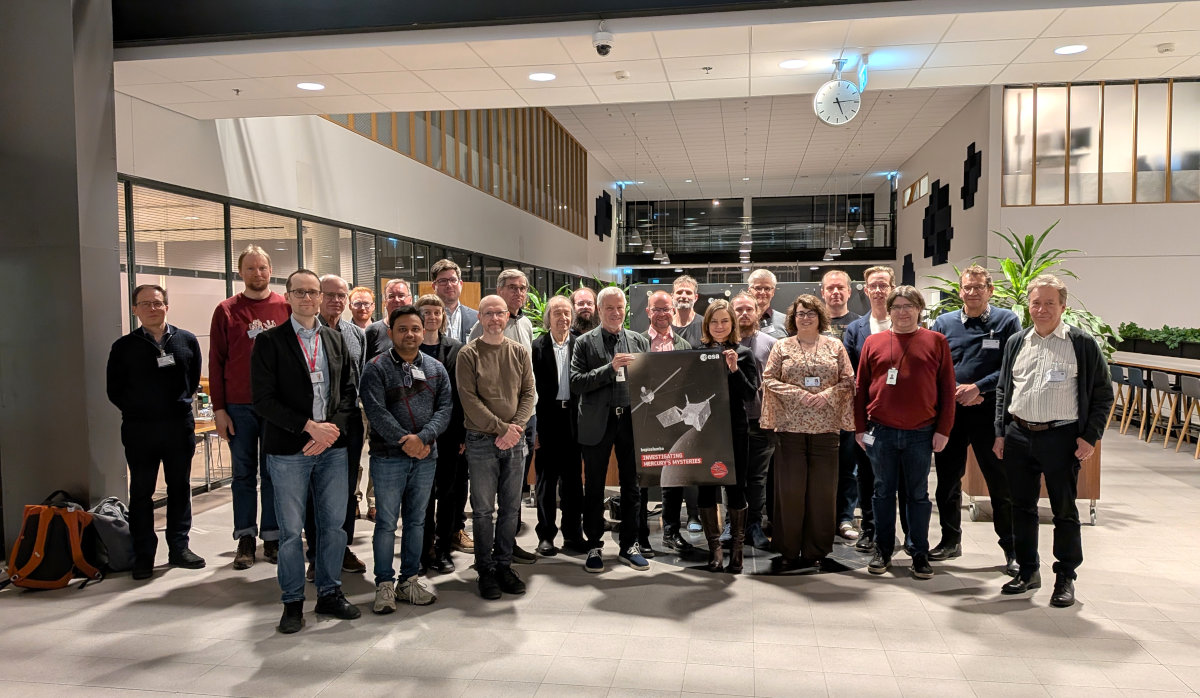
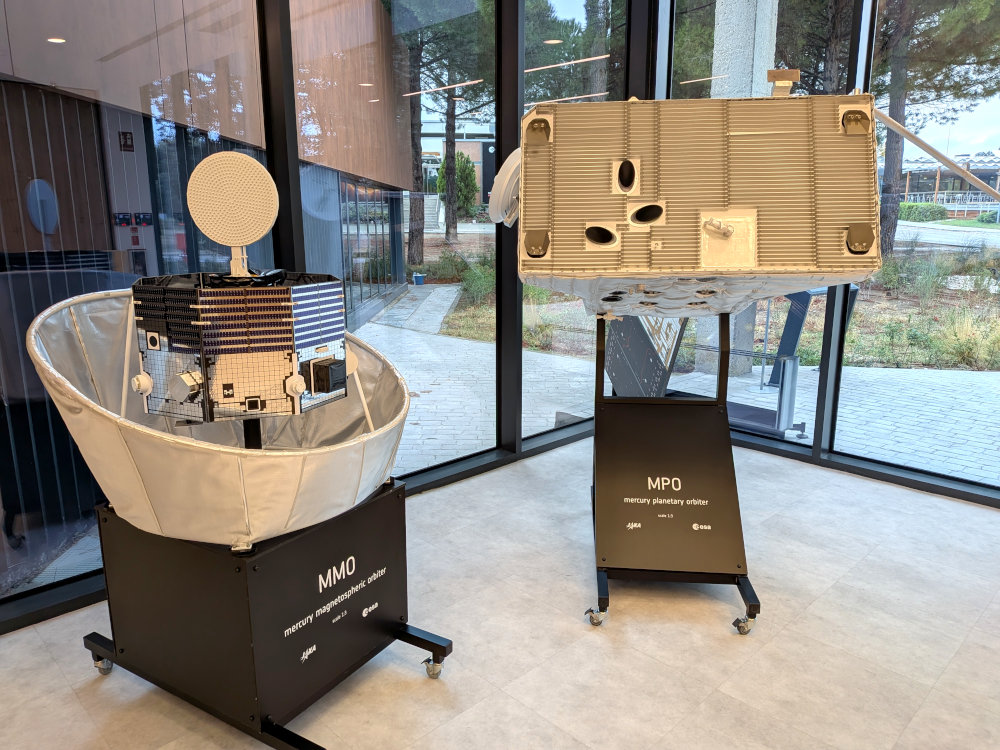
BepiColombo Science Working Team number 25 and a week full of exciting Mercury science collaborations and planning at European Space Astronomy Centre (ESAC) near Madrid.
European Space Weather Week (Oct 27, 2025)
MEOW participation at ESWW2025 in Umeå, Sweden!
Our presentation:
EPSC-DPS 2025 in Helsinki, welcome colleagues! (Aug 27, 2025)
The MEOW team will participate in the EPSC-DPS Joint Meeting 2025 here in Helsinki, Finland!
Warmly welcome all collegues and friends for a week of great Mercury and planetary science in our project's home city!
We'll have a big Mercury session: On the Quest to Solve Mercury's Secrets
Our presentations:
- Phillips+: Global hybrid-particle simulations of Mercury's ion foreshock and ULF waves
- Honkonen+: On enhancing parallel global hybrid-particle model with run-time adaptive mesh refinement and temporal substepping
- Jarvinen+: Global hybrid-particle modelling of Mercury's space plasma environment and BepiColombo observations
AP-RASC 2025 (Aug 5, 2025)
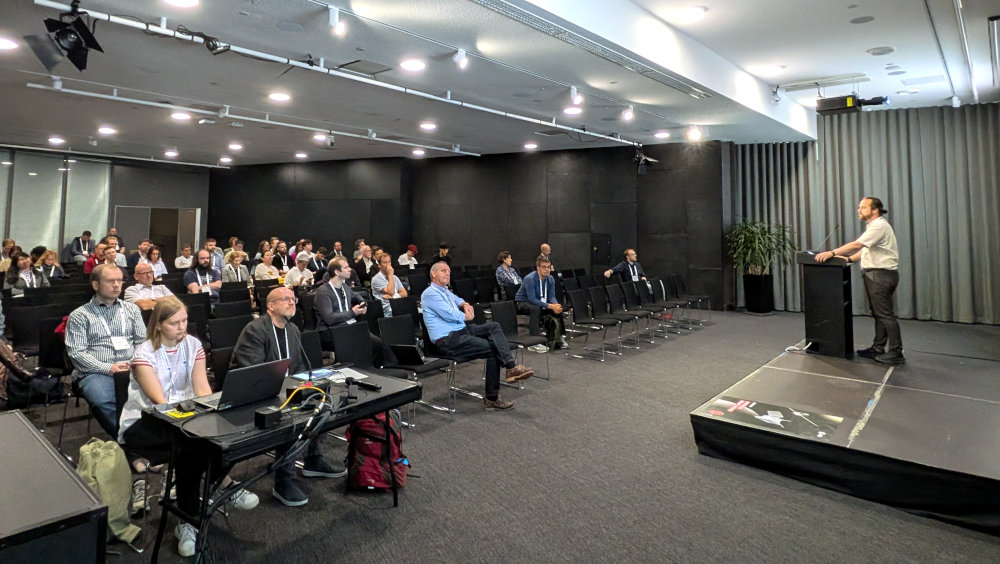
MEOW presentation at the URSI Asia-Pacific Radio Science Conference 2025, Sydney, Austria
Hello EGU25 and Vienna! (Apr 26, 2025)
The MEOW team will participate in the EGU General Assembly 2025 in Wien, Austria
Our presentations:
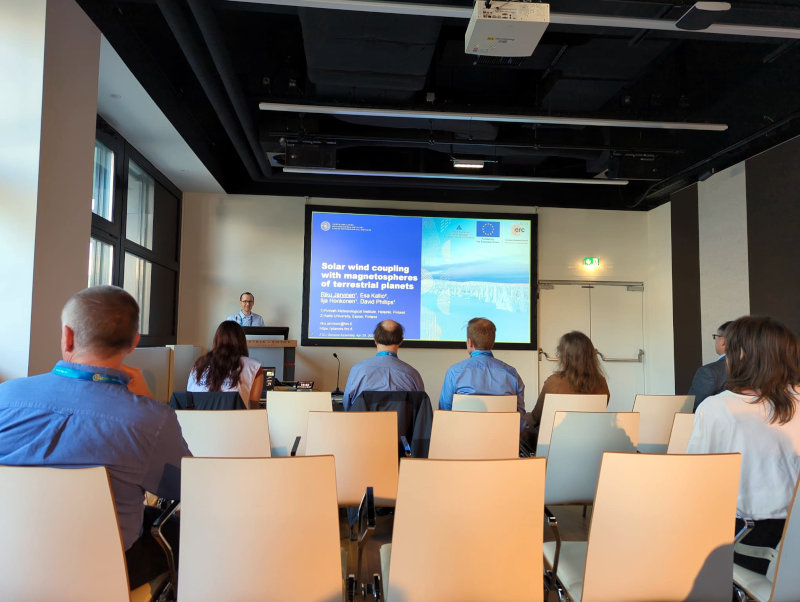
- Jarvinen+: Solar wind coupling with magnetospheres of terrestrial planets
- Honkonen+: Platform of adaptive algorithms for global simulations of planetary space weather
- Phillips+: Plasma waves in a global ion-kinetic hybrid simulation for Mercury's space weather
(call closed) We are hiring! (Mar 10, 2025)
3-year postdoc position in our team to study Mercury's space plasma physics (call closed).
Kick-off seminar (Feb 14, 2025)
Kick-off seminar of the Mercury in the solar wind (MEOW) ERC Consolidator Grant project. We discuss space weather in light of the European-Japanese BepiColombo mission and the development of our space plasma simulation tools.
Friday, Feb 14, 2025
- 12:30 Riku Järvinen (FMI): Mercury in the solar wind, the BepiColombo mission and our global particle-based space weather modeling
- 13:00 Ilja Honkonen (FMI): Generic programming and adaptive methods in space weather modeling
- 13:30 David Phillips (FMI): From relativistic MHD to hybrid simulation development
- 14:00 Refreshments and discussion
- 15:00 Closing
Significant funding for space weather research at Finnish Meteorological Institute (Feb 2, 2024)
European Research Council awarded competetive ERC Consolidator Grant funding to Riku Järvinen's project at Finnish Meteorological Institute. The grant is for five years and approximately two million euros. The project improves our understanding of space weather.
Design: HTML5 UP.